
My interest in fermentation began with the miso my child made at elementary school. That first experience led to years of study, visits to fermentation makers, and eventually the opening of haccobo Studio in Kiyosumi-Shirakawa, a historic shitamachi neighborhood in eastern Tokyo. This is the story of that journey—and of why this neighborhood became home to haccobo Studio.
Meet Midori Omori
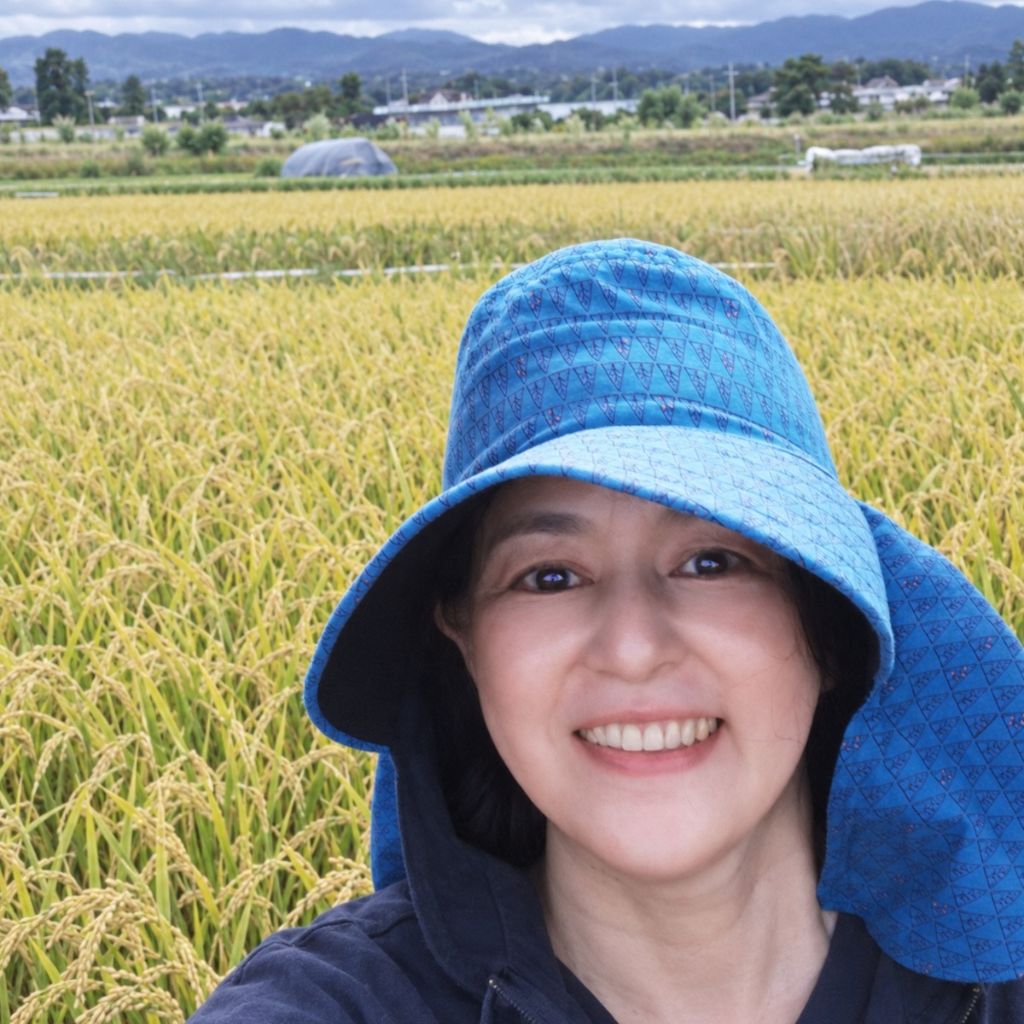
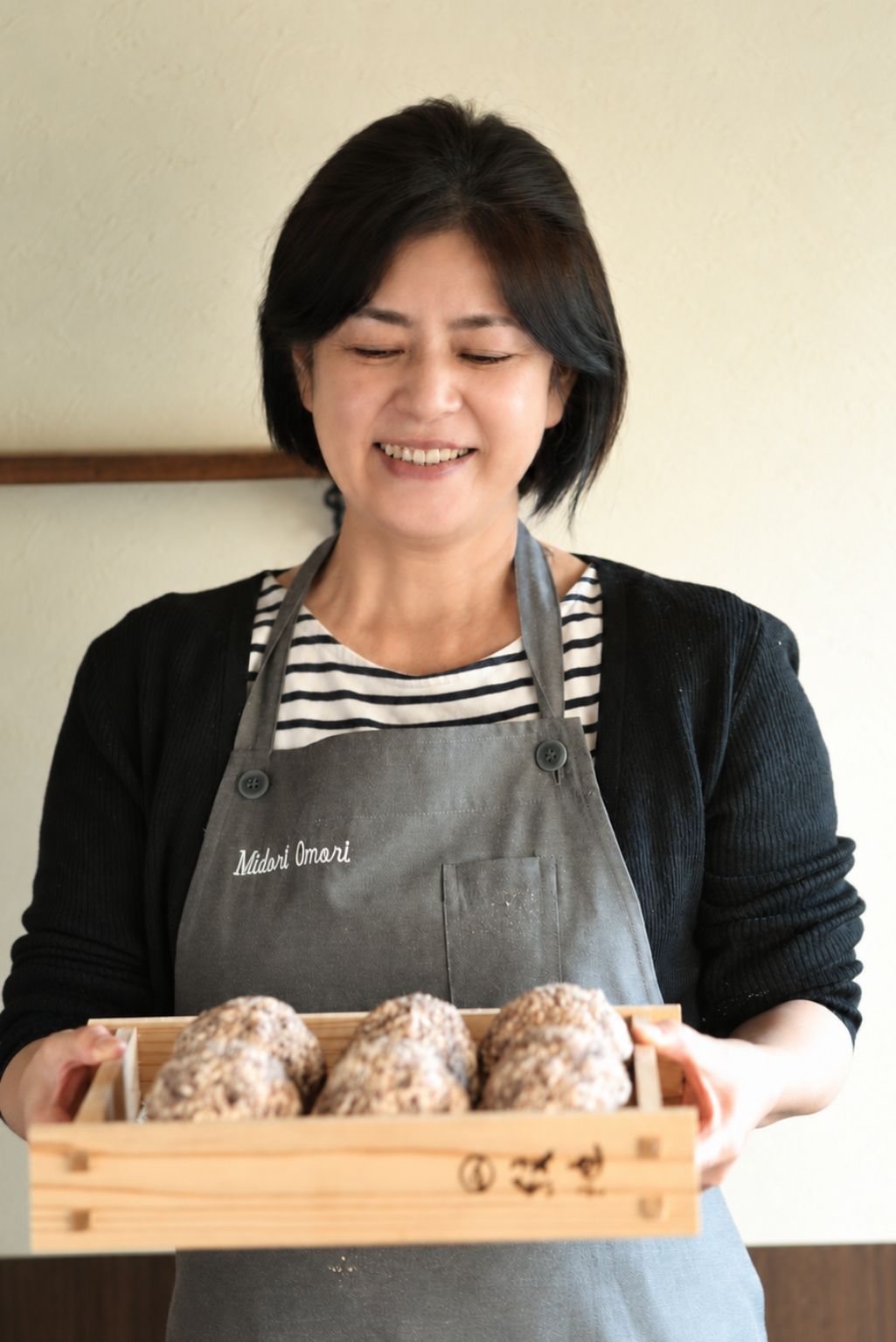
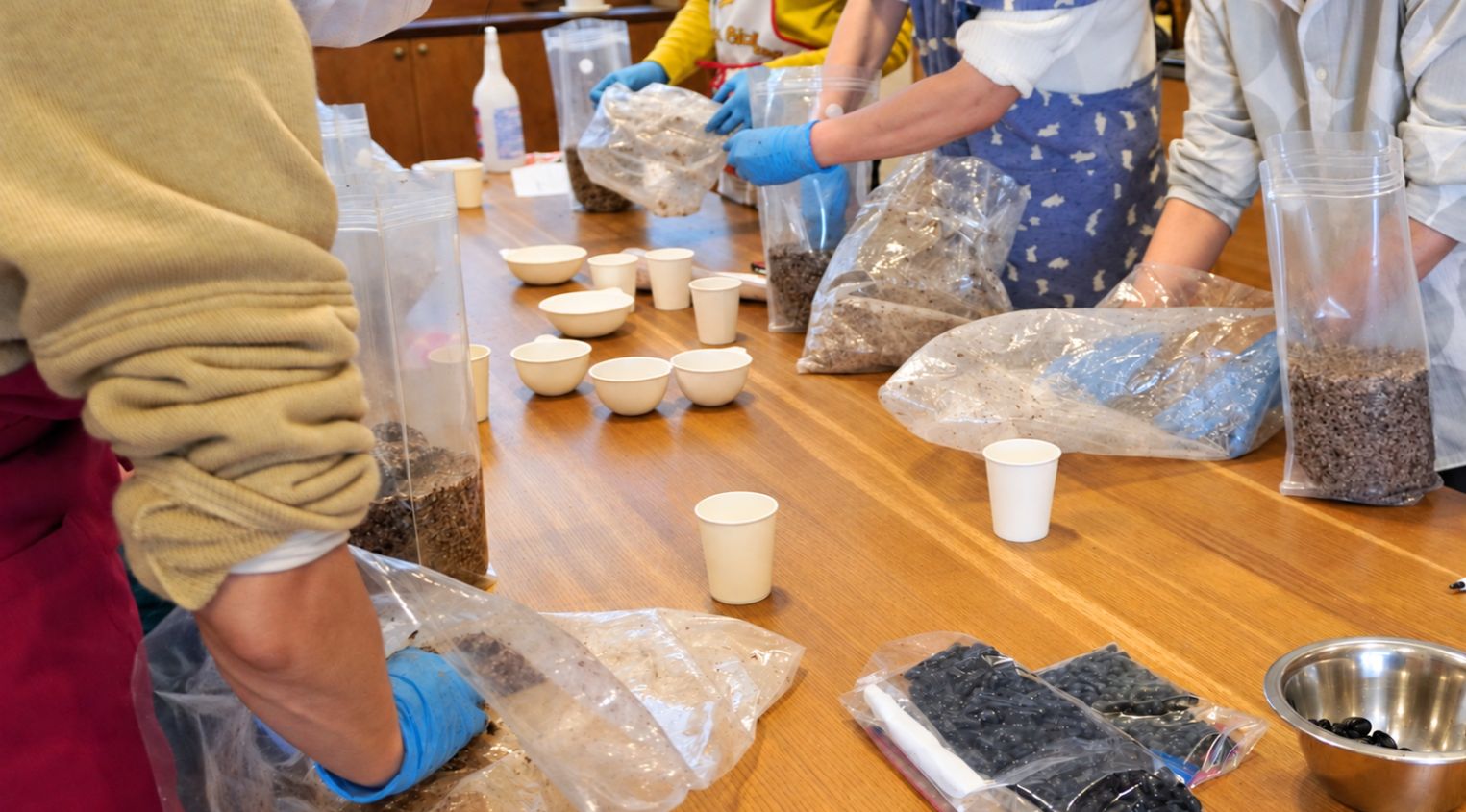
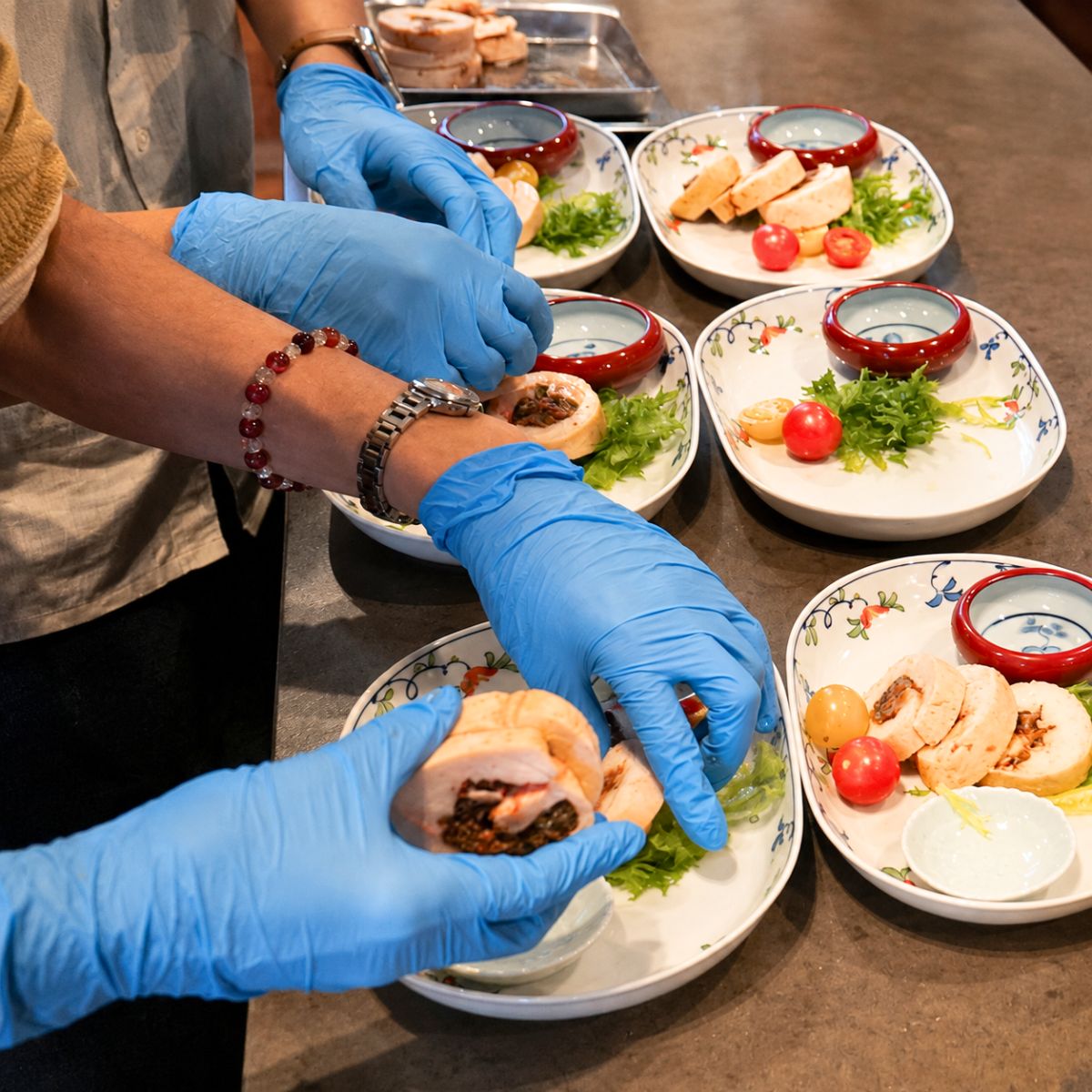
I’m Midori Omori, the founder and instructor of haccobo Studio. For more than ten years, I have led cooking classes and workshops, sharing the pleasure of preparing, learning about, and enjoying food together.
Qualifications
- Registered Dietitian, Japan
- Miso Sommelier
- Certified Koji-Making Instructor
Experience & Research
- Teaching cooking and fermentation classes since 2015
- Graduation research on the antioxidant capacity of miso and the behavior of foodborne bacteria in miso
- Professional experience in food hygiene management
From Curiosity to Fermentation
That miso fascinated me: soybeans, koji, salt, and time had created such a rich and complex flavor. That first surprise led me to look more deeply into the relationship between food, microorganisms, and health.
Then came the Great East Japan Earthquake in 2011. My family lived through the tsunami and spent the months that followed in evacuation shelters, where meals were limited and often unbalanced. Seeing how quickly health can suffer when nutritious food is difficult to obtain, I decided to study food and nutrition more systematically. I returned to university to study nutrition, food science, cooking, and food hygiene, and qualified as a registered dietitian in Japan. I later became a Miso Sommelier and a certified koji-making instructor.
Studying miso led me to koji—the essential foundation shared by miso, soy sauce, mirin, sake, and many other Japanese fermented foods. Understanding this connection expanded my focus from miso to Japanese fermentation as a whole.
Learning Through Experience
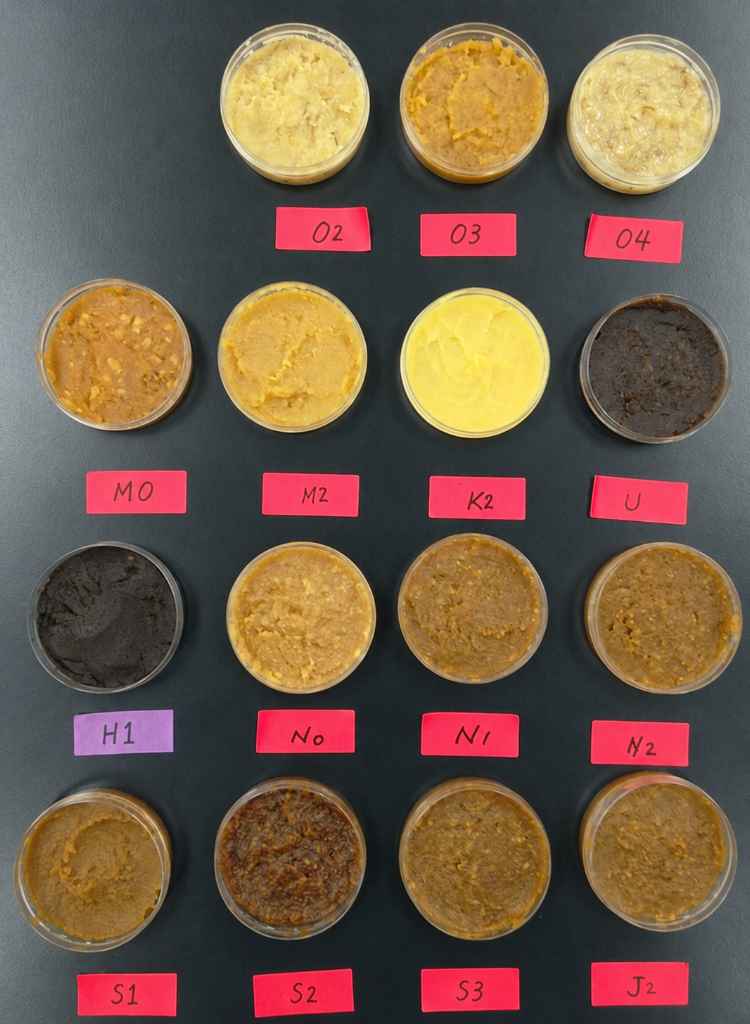
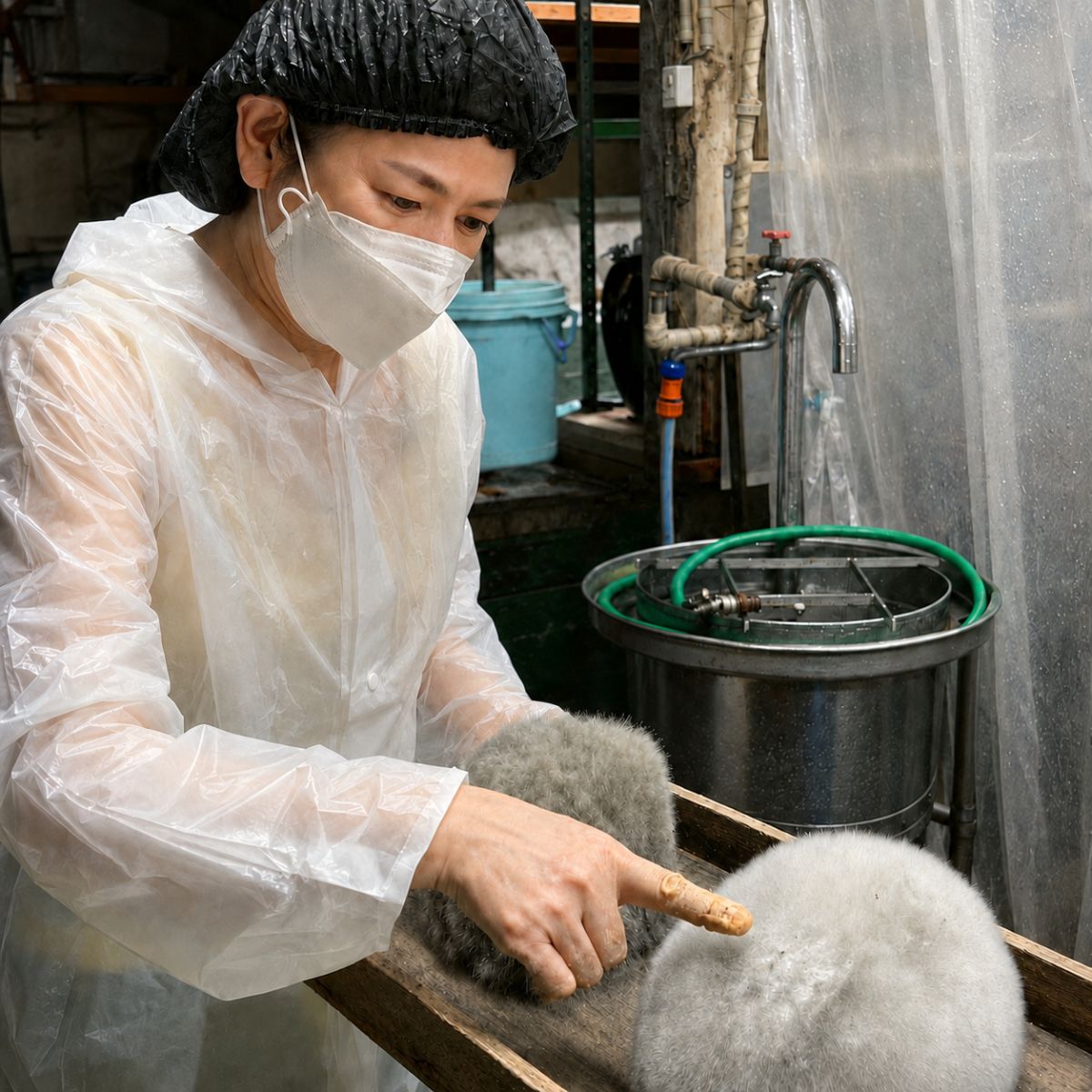
Understanding fermentation takes more than books. To learn about its ingredients and processes firsthand, I have studied tane-koji—the starter culture used to make koji—with a specialist producer, and visited makers of miso, soy sauce, mirin, sake, and awamori.
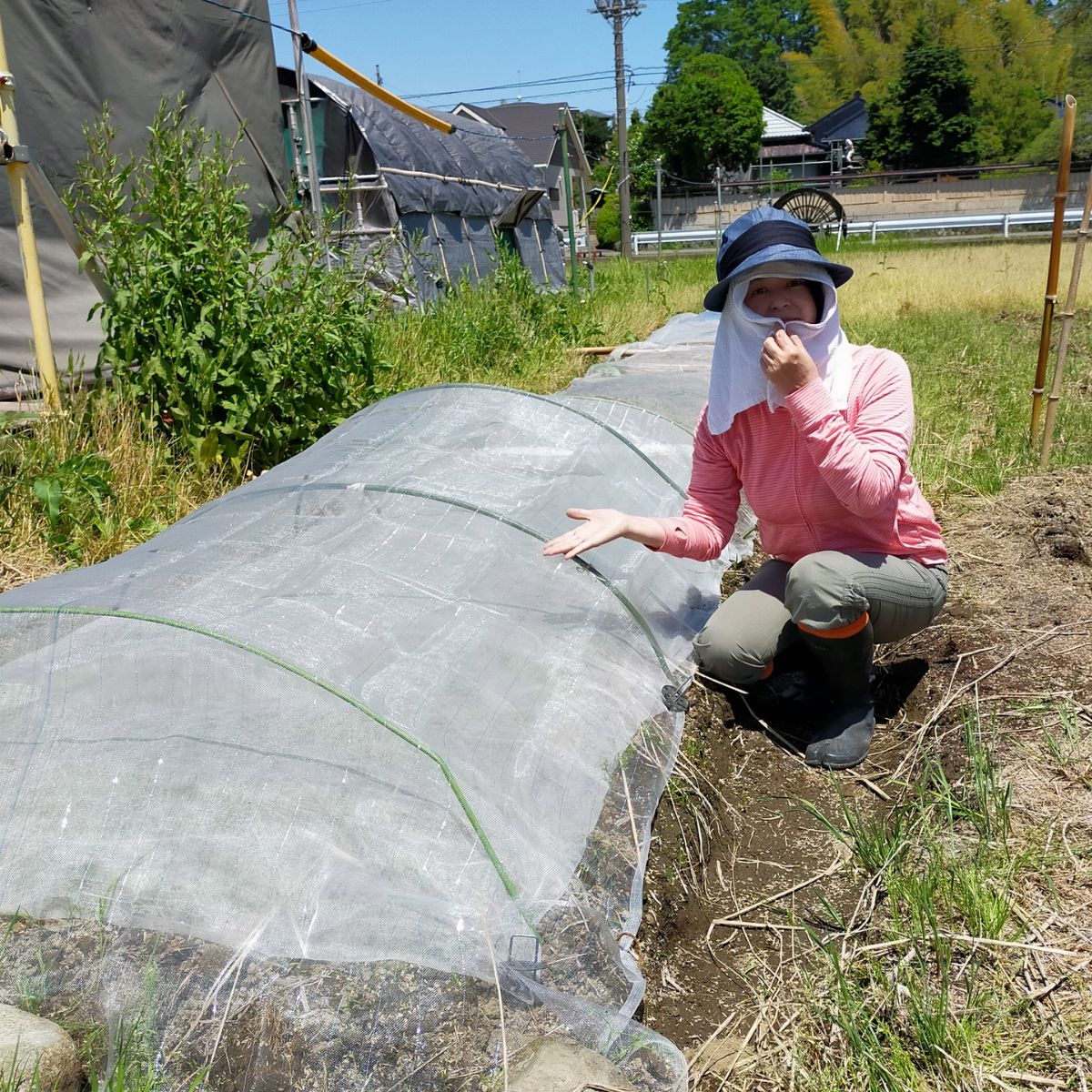
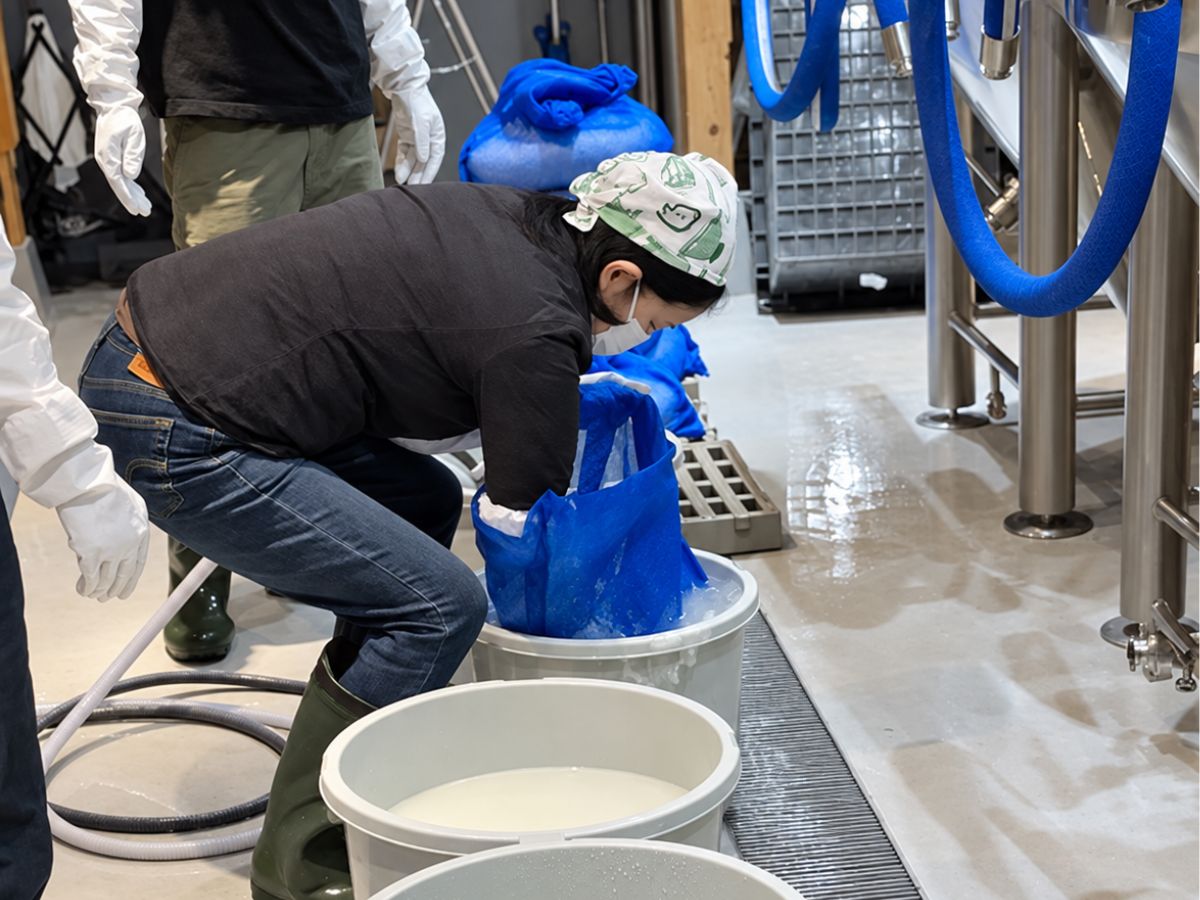
Whenever possible, I have taken part in the work itself, including miso and craft sake production. I have also planted rice by hand and helped cultivate it without synthetic pesticides or chemical fertilizers.
These experiences taught me how closely water, soil, plants, microorganisms, and people are connected. They influence one another, and over time, shape the flavors and food culture of a place.
This understanding shapes the way I teach. I connect scientific knowledge with what we can see, smell, touch, and taste—and with the regions and people behind each food.
Why Kiyosumi-Shirakawa
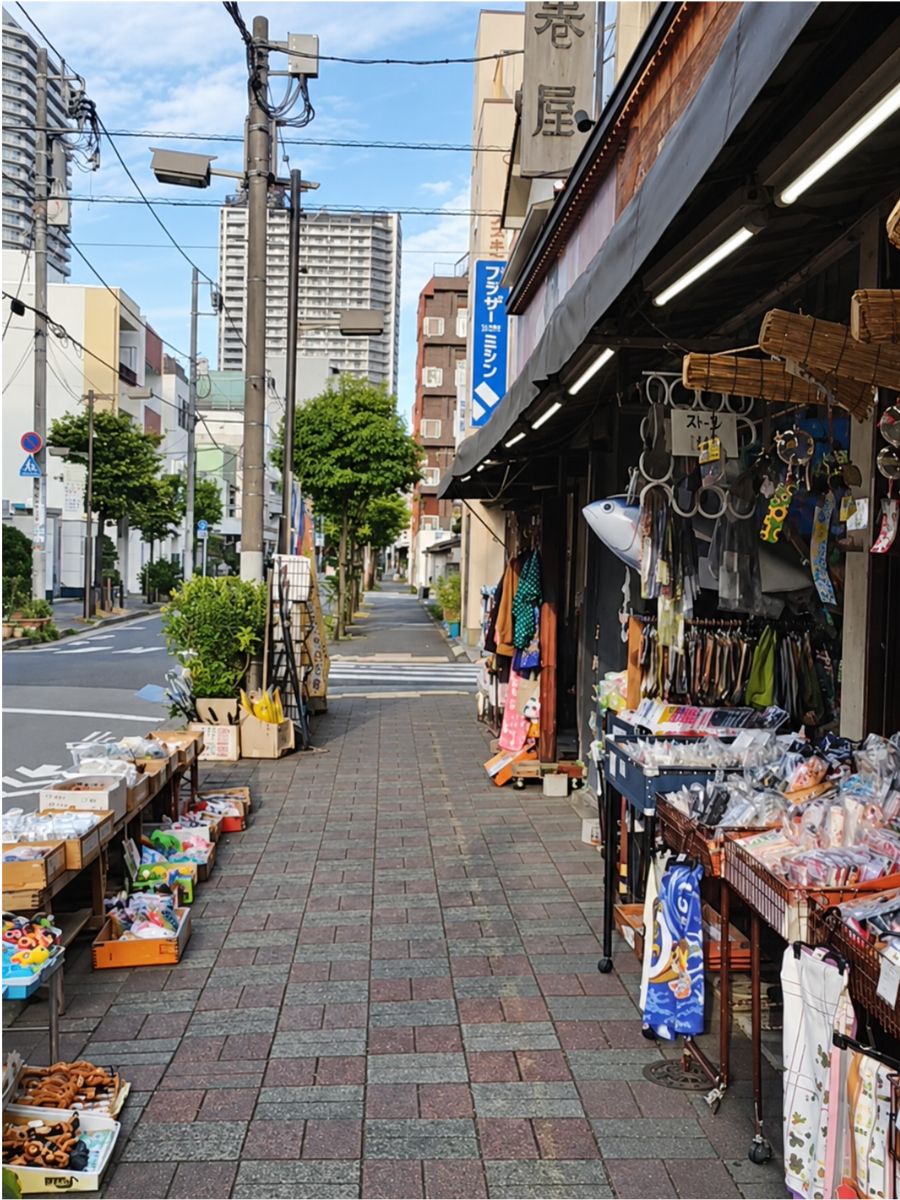
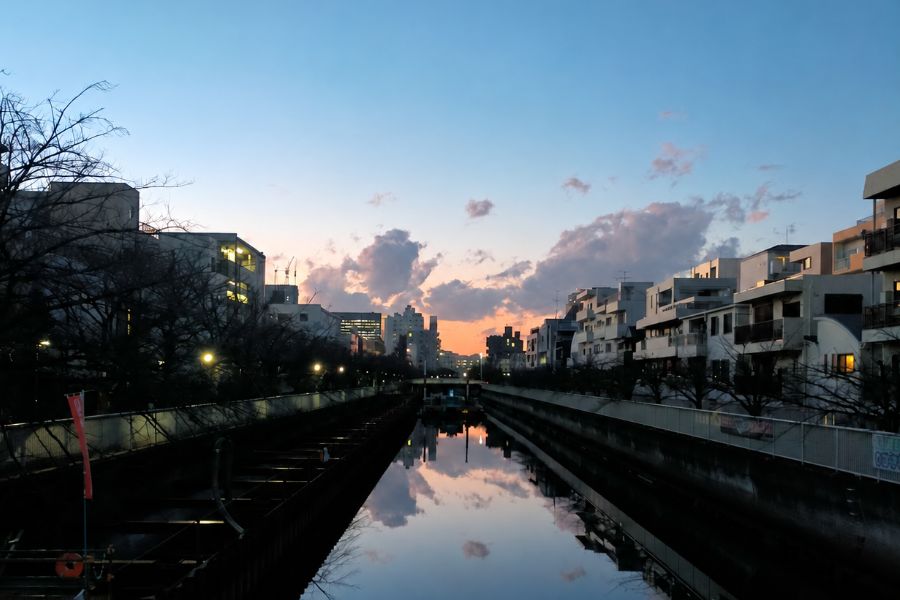
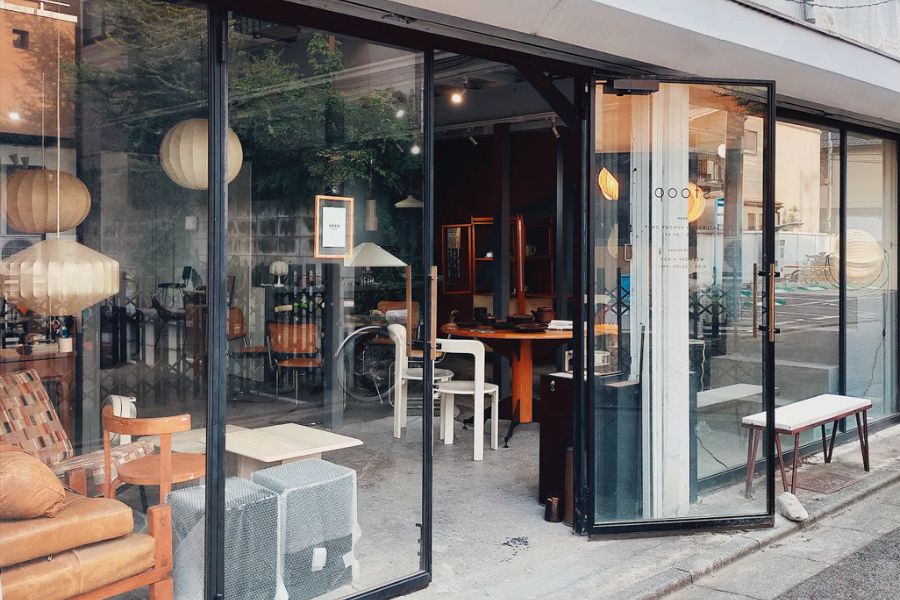
Kiyosumi-Shirakawa is home to long-established craftspeople and a new generation of independent makers working side by side.
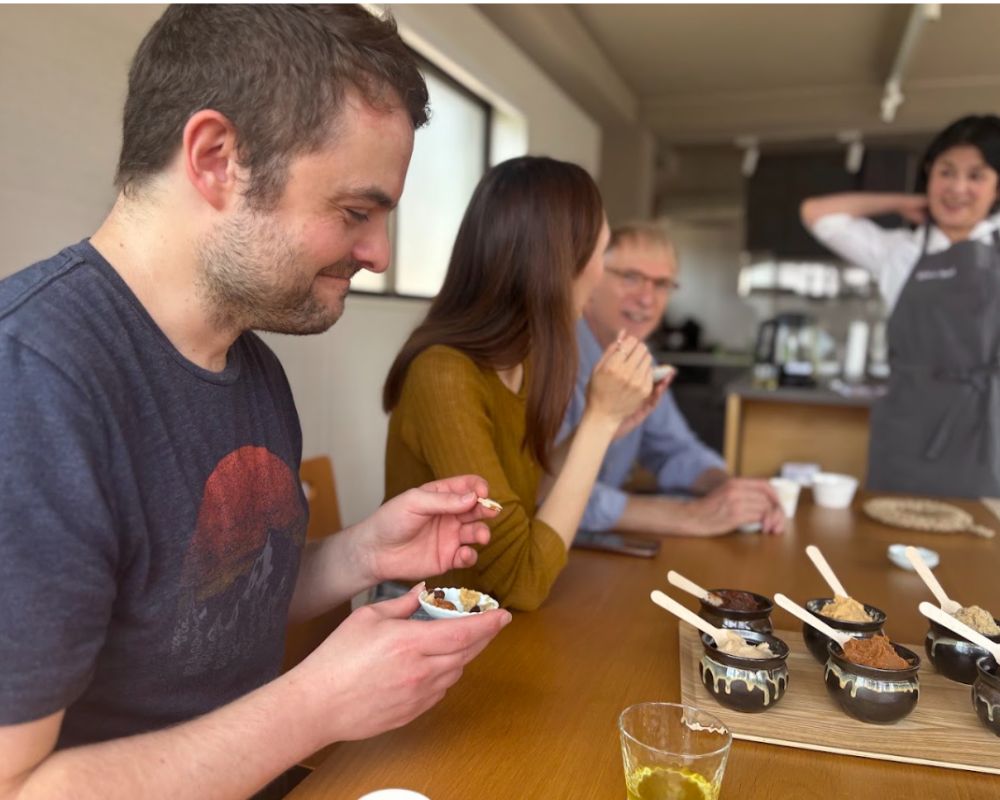
At haccobo Studio, we draw on fermentation knowledge passed down over generations and explore ways to bring it to today’s table. Building on what we inherit and finding new ways to carry it forward—this is how the neighborhood works, and how we work.
That is why we are here, and it is part of what you will taste in our classes.
Choose Your Experience
Explore our two small-group experiences and find the one that matches your interest in Japanese miso and fermentation.
Explore Our Experiences